|
|
Special Needs of Older FerretsAmerican ferrets have an average life span on 5 to 7 years. Ferrets start to show old age or geriatric problems after they are about 3 years of age. We feel that this is a good time to recommend some extra veterinary care as well as special home care to try to catch disease problems early, so they can be eliminated or treated. With this “geriatric program”, as we call it, we have been able to prolong life in many pets in a quality manner. HOME
CARE The pads of the feet in older ferrets
may become hard and dry and develop little horny growths. A small amount
of Vitamin E cream or oil or Vaseline rubbed on the pads daily will help to keep
them soft and remove excess tissue. Older ferrets like to sleep for
longer periods, so be sure they have a cozy spot to do so in. Please
respect that they need more sleep and don’t make them play when they don’t
want to. However, if you should notice a sudden change in sleep habits
that seems unusual, please contract us. The hair coat may become drier
and more brittle with age. Some diseases can contribute to this, but aging can
also cause it. Don’t bathe your pet frequently, as this may strip the
natural skin oils and worsen the condition. Bathe your pet as infrequently
as possible, but no more than once a month (unless you have medical directions
to do otherwise,) and use a gentle pet shampoo. You may also use special
preparations to add moisture back to the skin, such as emollient sprays (Comfi-Spray
is a good choice), right after or in between baths. Using a fatty acid
supplement, such as Linotone or Ferotone, can also be very helpful. Use
1/8 tsp. per ferret per day on the food. If you notice hair loss, skin
changes, growths, or excessive scratching please have your pet examined by us. Older ferrets may have less
control over their bladder and bowels as they age. So make sure that the litter
box or papers are easily available. Put out a few extras if they roam
around so they won’t have far to go to the bathroom. Senior citizens may become weak
in the hind legs for a variety of reasons, so make sure that they can easily get
in and out of their cages and litter boxes. Use ramps, if necessary to
help them. Any sudden or unusual weakness or loss of balance should, of
course, be brought to our attention. We generally recommend changing your ferret to a lower protein high quality adult cat food or maintenance diet after the age of five. This puts less stress on the kidneys. The change over can be gradual by mixing the original kitten formula with the adult formula several days. Ferrets will usually convert if you use the same brand of food. Use a cat hairball laxative at
least once a week to prevent the formation of hairballs in the stomach.
Use about 1 inch out of the tube. Brushing your pet will also help to cut
down on the amount of hair swallowed. Make sure that food and water are
always available. Going without food for too long could cause the onset of
severe symptoms if your pet is dealing with a blood sugar disorder or kidney
disease. VETERINARY CARE More frequent checkups are
recommended, which include a thorough physical exam. We recommend that
this be done every six months. Ferrets develop disease rapidly; especially
cancer, kidney and heart disease, and waiting an entire year between visits
could prevent the early detection and management of these diseases. Starting at three years of age, we
prefer some additional laboratory work be done. On a healthy animal, we
recommend a complete blood cell count (CBC) and fasting blood glucose as the
minimum work-up (a ‘mini’ geriatric). The pet should be fasted 4 to no
more than 6 hours prior to the blood tests taken. The routine laboratory
work should be done at least once a year. We may also wish to do additional
laboratory work such as a blood chemistry profile and/or an X-ray for additional
information, particularly if your pet is exhibiting signs of illness.
Sedation may be necessary for the X-ray. We use extremely safe
tranquilizers on our ferret patients, this eliminates the stress the pet may
feel with these procedures. After the age of 7, diagnostic testing
may have to be done every 6 months along with a semiannual exam. These
laboratory workups have been INVALUABLE in detecting many disease early and thus
facilitating treatment. Please keep up with the annual
canine distemper vaccination. The older ferrets can contract distemper
just as easily as the youngsters can. Heartworm preventive should also be
continued if you’re pet is kept outdoors or is taken outdoors frequently in
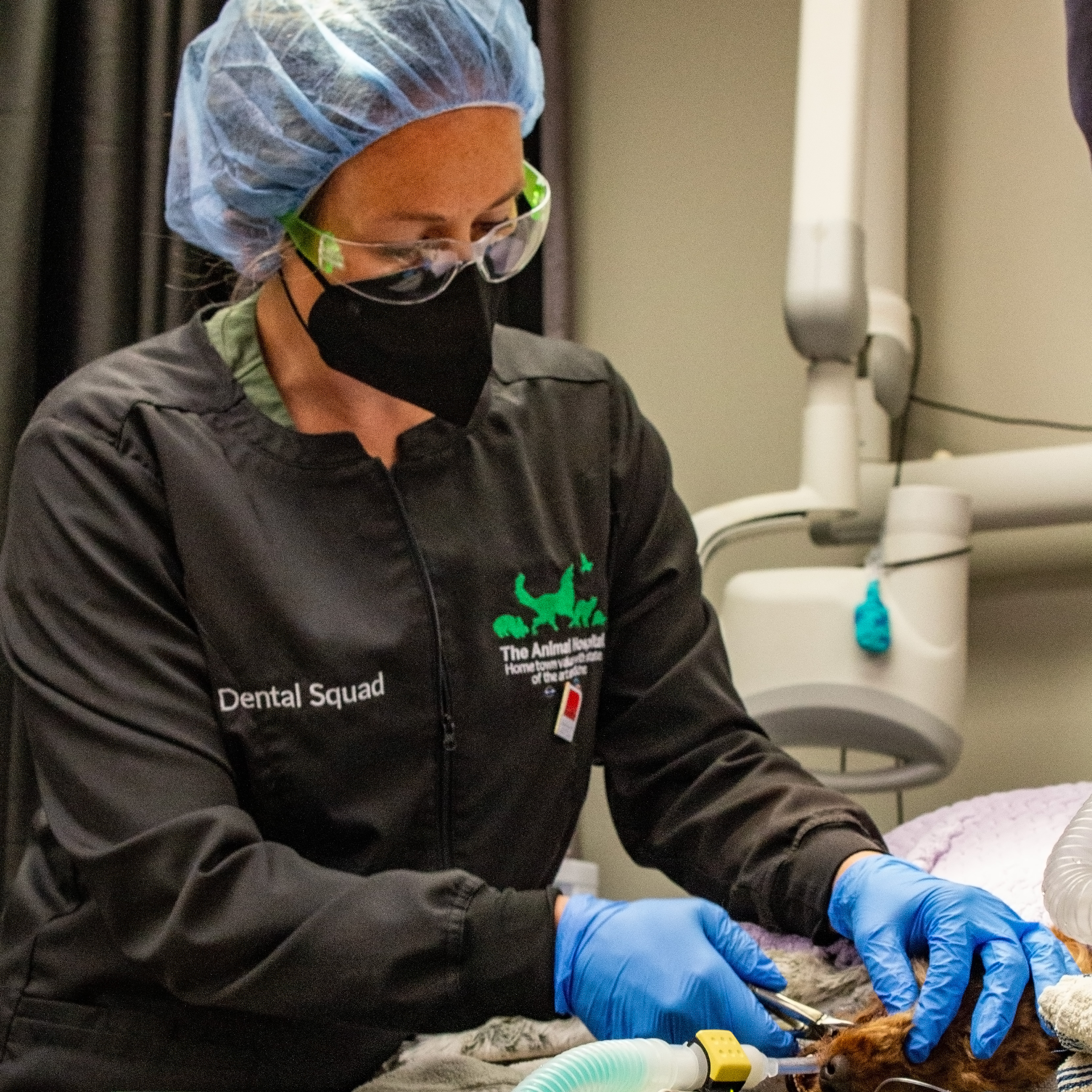
the spring and summer. Tartar can be cleaned off the teeth
easily when the animal is anesthetized with isoflurane for any reason.
This prevents gum and teeth disease. Unfortunately, neoplasia (cancer) is the most common cause of disease and death in the older American Ferret. We estimate that well over 75% of all ferrets in our area will develop some form of cancer in their lifetime. The only way to combat all forms of cancer is with early detection and appropriate therapy. We must emphasize the EARLY detection is the key, which emphasizes the need for frequent exams and laboratory work. |
|
|